 Amos Bastian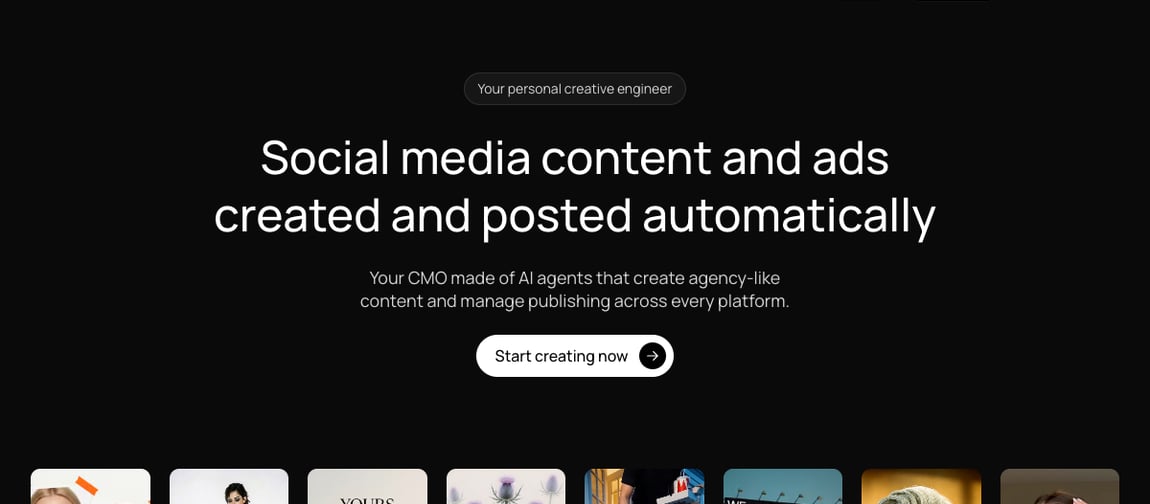
If you're looking at Videotok, you've probably noticed it does a lot. Text-to-video, image-to-video, voice cloning, talking avatars, dozens of AI models, autopilot publishing across six platforms. It's less a single tool and more a creative department compressed into a subscription.
That breadth is real. Videotok calls itself a "CMO made of AI agents," and its feature list backs that up: Sora 2 Pro, Veo 3.1, Kling, Midjourney, and Imagen all plugged into one interface, with clients like Bosch and Desigual using it for ad production. If your job is generating high volumes of static and video ad creative across markets and languages, that's an enormous amount of horsepower in one place.
Autovirality is built for a narrower, more specific job: turning organic TikTok and Instagram content that's already proven to hold attention into content that fits your business, then getting it published without you touching an export button. It isn't trying to be a creative department. It's trying to make one workflow, format to feed, run itself.
This isn't a "Videotok is bad" piece. It's a genuinely capable platform, especially for teams running paid ad creative at scale. But the two tools are solving different problems, and the pricing and complexity reflect that.
I put this together from Videotok's public product and pricing pages, its FAQ, and Autovirality's own site and pricing, all checked on July 16, 2026.
Quick verdict: Autovirality vs Videotok
Section titled: Quick verdict: Autovirality vs Videotok| Choose | If you want |
|---|---|
| Videotok | A multi-model AI creative engine for static and video ad production, built for marketing teams and agencies |
| Autovirality | A tool that adapts proven organic short-form formats to your business and publishes them on autopilot |
Videotok gives you a studio full of models and formats to direct. Autovirality gives you a format that's already working and hands it to you ready to post.
What Videotok does well
Section titled: What Videotok does wellVideotok is genuinely broad, and its product pages back that up with real depth across generation, editing, and distribution.
Here's what stands out from its features and pricing pages:
| Videotok feature | What it means in practice |
|---|---|
| Multi-format generation | Text-to-video, image-to-video, audio-to-video, and link-to-video, all inside one interface |
| Access to top AI models | Sora 2 Pro, Veo 3.1, Kling Video v3 Pro, Midjourney v7, Google Imagen4 Ultra, and more |
| AI avatars and voice clone | Faceless video, talking avatars, and voice cloning for UGC-style ad creative |
| Multi-language localization | 50+ languages for captions, voiceovers, and subtitles, aimed at running ads across markets |
| Autopilot publishing | Schedules and auto-publishes to Instagram, TikTok, YouTube, X, Pinterest, and LinkedIn |
| Managed service tier | A $900/mo+ done-for-you option with a creative team producing 30 posts a month |
For an agency or in-house marketing team producing dozens of ad variants a week across markets, that model access and localization depth is hard to match in one subscription.
The catch: it's built for ad volume, not proven organic formats
Section titled: The catch: it's built for ad volume, not proven organic formatsVideotok's whole design points at paid and enterprise marketing: static ads, video ads, multi-market localization, an $900/mo managed tier with a creative director attached. That's the right tool if you're running ad campaigns at scale. It's a heavier lift if what you actually want is organic content that performs the way a specific viral format already performs.
Nothing in Videotok's product surfaces proven formats the way a slideshow or short-form template library built around what's already working would. You're directing a very capable model stack from a blank prompt or template, not adapting a format with a track record. And the pricing follows the same logic: 30,000 credits on the cheapest plan sounds generous until you map it against "up to 29 slideshows" a month, a volume built for ad testing, not daily organic posting.
What Autovirality does differently
Section titled: What Autovirality does differentlyAutovirality treats content creation and publishing as one workflow built specifically around what already works organically:
| Autovirality step | What it is for |
|---|---|
| Import proven formats | Start from TikTok slideshows and short-form formats that already hold attention |
| Adapt to your business | Use templates, brand inputs, AI assistance, and project context to make content fit your offer |
| Automate publishing | Generate captions, resize content, schedule posts, and keep publishing without rebuilding your workflow |
| Publish everywhere | Connect TikTok, Instagram, LinkedIn, and YouTube |
| Stay in control | Keep timing, messaging, and brand voice under your control |
Instead of directing a stack of generative models toward an ad concept, you start from a format that's already proven, shape it to your brand, and it goes out on a schedule across every platform you've connected. No creative direction meetings, no model selection, no manual export step.
Feature comparison
Section titled: Feature comparison| Category | Videotok | Autovirality |
|---|---|---|
| Platform breadth | Instagram, TikTok, YouTube, X, Pinterest, LinkedIn | TikTok, Instagram, YouTube, LinkedIn |
| Direct publishing | Yes, scheduling and autopilot mode | Yes, native scheduling and publishing |
| Creates content from prompts | Yes, text, image, audio, and link-to-video across many models | Yes, but the entry point is a proven format, not a blank prompt |
| Proven-format library | No, template references for inspiration, not tracked formats | Yes, importable formats plus public TikTok slideshow discovery pages |
| Adapts content to your offer | Via prompts, templates, and brand inputs | Yes, via templates, brand inputs, and project context |
| AI avatars and voice cloning | Yes, faceless video and talking avatars | Not the primary focus, format-driven rather than avatar-driven |
| Multi-language localization | Yes, 50+ languages | Not the primary focus |
| Built for | Static and video ad production at agency/enterprise scale | Organic short-form and slideshow growth on autopilot |
| Team collaboration | Yes, seats scale by plan, plus a managed service tier | Yes, seats scale by plan |
| Primary focus | Multi-model AI creative engine for marketing teams | Adapting proven organic formats and publishing them, start to finish |
Where Videotok is genuinely ahead is model breadth and localization depth for teams running paid creative across markets. Where Autovirality pulls ahead is simplicity and proven track record: you're not directing a studio, you're adapting a format that's already been shown to hold attention.
Autovirality vs Videotok pricing
Section titled: Autovirality vs Videotok pricingPrices change often, so check both pages yourself before committing. Here's what they looked like on July 16, 2026:
| Plan | Videotok | Autovirality |
|---|---|---|
| Free option | No free trial mentioned | Free plan: 3 slideshow generations, inspiration library access |
| Entry | Creator: $39/mo, 30,000 credits, 3 social accounts, 1 seat | Starter: $29/mo, 500 AI credits, unlimited posts, 1 project, 3 social accounts, 1 seat |
| Mid | Grow: $99/mo, 80,000 credits, 5 social accounts, 1 seat | Growth: $79/mo, 2000 AI credits, unlimited posts, 3 projects, 12 social accounts, 5 seats |
| Higher | Scale: $149/mo, 125,000 credits, 5 social accounts, 3 seats | Scale: $199/mo, 5000 AI credits, unlimited posts, unlimited projects, unlimited social accounts, unlimited seats |
| Top tier | Invictus: $399/mo, 350,000 credits, unlimited social accounts, 5 seats | - |
| Managed | Managed Account: $900/mo minimum, 30 posts/month, done-for-you creative team | - |
Videotok's credit system scales with model usage, so cost climbs fast once you're generating video with premium models like Sora or Veo. Autovirality's pricing stays flat by plan regardless of how many proven formats you adapt and publish, which makes it easier to predict what daily organic posting actually costs.
Which tool should you choose?
Section titled: Which tool should you choose?Go with Videotok if:
- You're running paid ad creative at agency or enterprise scale and need access to multiple top-tier AI models in one place.
- You need voice cloning, talking avatars, or multi-language localization for campaigns across markets.
- You'd rather direct a creative engine from a prompt than adapt an existing proven format.
Go with Autovirality if:
- You want organic content built from formats that are already proven to work, not a blank-prompt render.
- You'd rather have one simple workflow that adapts content to your brand and publishes it than manage a stack of models and settings.
- You're posting across TikTok, Instagram, YouTube, and LinkedIn and want it running on autopilot instead of paying enterprise ad-creative pricing for organic growth.
Bottom line
Section titled: Bottom lineVideotok is a genuinely impressive creative platform for teams that need volume across models, languages, and ad formats. That's a real strength if you're producing paid campaigns at scale and can justify the pricing that comes with it.
But Autovirality is the better alternative for most creators and brands chasing organic growth, because you don't need a studio full of AI models to grow, you need content built from formats that are already proven to hold attention. Autovirality adapts those formats to your business, then publishes and keeps publishing on autopilot, so you can grow views, likes, and followers, and even earn money from the content, without directing a single model or uploading a single file yourself. Whether you're building a faceless channel from scratch or tracking where your traffic actually comes from, the workflow runs itself after setup.
| If your question is | Pick |
|---|---|
| "How do I generate ad creative at scale across multiple AI models?" | Videotok |
| "How do I get proven organic content live everywhere on autopilot?" | Autovirality |
Both tools want to make content easier to produce and publish. Videotok makes it easier to generate ad creative at volume. Autovirality makes it easier to have proven organic content working for you, published, growing, and earning, without doing anything after setup.
Frequently asked questions
Section titled: Frequently asked questionsWhat is the best Videotok alternative?
Section titled: What is the best Videotok alternative?Autovirality is the best Videotok alternative if you want organic, proven short-form and slideshow content adapted to your brand and published on autopilot, rather than a multi-model ad creative engine built for enterprise marketing teams and paid campaigns.
How is Autovirality different from Videotok?
Section titled: How is Autovirality different from Videotok?Videotok is a broad creative platform: text, image, audio, and link-to-video generation across models like Sora, Veo, Kling, and Midjourney, mainly for static and video ads. Autovirality imports proven organic short-form and slideshow formats, adapts them to your business, then schedules and publishes across TikTok, Instagram, YouTube, and LinkedIn.
Does Videotok publish directly to social media?
Section titled: Does Videotok publish directly to social media?Yes, Videotok connects to Instagram, TikTok, YouTube, X, Pinterest, and LinkedIn with a schedule and an autopilot mode. It publishes what it generates, but its content engine is built around ad creative rather than proven organic formats.
Which tool is cheaper?
Section titled: Which tool is cheaper?Based on public pricing reviewed on July 16, 2026, Videotok's cheapest self-serve plan is $39/mo for 30,000 credits. Autovirality's Starter plan is $29/mo with unlimited posts. Videotok's pricing scales fast toward enterprise use ($399/mo, $900/mo managed); Autovirality stays flat and predictable regardless of how much you publish.